So, while everyone — well, everyone in the media more or less — goes on about how the Arab Spring has been brought about by Facebook and Twitter, Sinan Antoon corrects the perspective somewhat in this very short interview from the Kenyon Review. Here are a couple of exerpts. First, on the role of poetry in the uprisings:
Contrary to all the brouhaha about Twitter and Facebook, what energized people in Tunisia and Egypt and elsewhere, aside from sociopolitical grievances and an accumulation of pain and anger, was a famous line of poetry by a Tunisian poet, al-Shabbi.
(Apparently, this is the poem in question.)
Secondly, a comment on why the Western media may be so keen to portray Twitter and Facebook as great drivers of the revolutions:
The first [book] deal to make the news after the revolts is about a book by the Egyptian Google executive who was active on Facebook in the run-up to the revolts, Wael Ghoneim. It’s the predictable choice of the mainstream. A middle-class Anglophone corporate executive who will heap praise on Mark Zuckerberg and comfort readers that, somehow, the technological advances of the west toppled these dictators (supported by the west) and not the blood and hard work of organizers and activists.
Interesting perspective. We soooo want to believe that we’re better than these courageous, creative people, don’t we? Even though we bankrolled and armed their oppressors for decades.
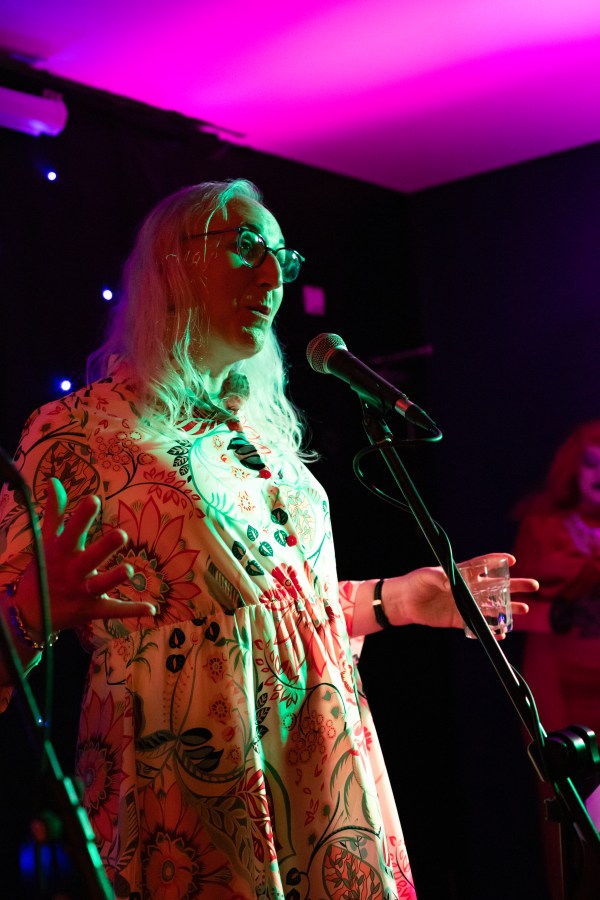
I met Sinan Antoon during the Reel Iraq festival in 2009. (My Scots translations of some of his poems — working from his own English translations in The Baghdad Blues — appeared in The Edinburgh Review 127.) On Friday last week, I was attended a marvellous reading by Scottish, Syrian and Lebanese poets in the SPL as part of the current Reel Festival. More on that anon. In the meantime, listen to the latest SPL podcast, which features one of the readers: the wonderful Syrian poet Golan Haji.
 Amy Jo Philip
Leave a comment